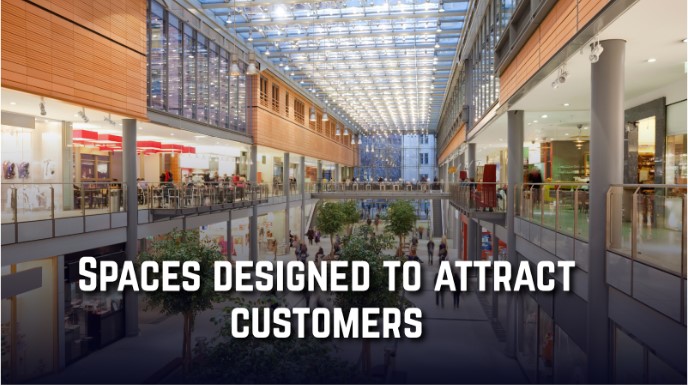
Retail spaces today are no longer just places to sell products; they have become immersive environments designed to attract, engage, and retain customers. Strategic design and thoughtful planning have made Retail Construction a vital element in shaping spaces that not only reflect brand identity but also maximize customer satisfaction and footfall. By integrating operational efficiency with aesthetic appeal, retailers can create stores that encourage exploration, foster loyalty, and drive long-term profitability.
The Importance of Customer-Centric Design
In modern retail, the customer experience is at the heart of every design decision. A store’s layout, lighting, signage, and spatial organization significantly influence how shoppers perceive the brand and interact with products. Smart design principles ensure that each element of the space guides the customer naturally through the store, creating a journey that is both intuitive and enjoyable.
Collaboration with a professional Retail Construction company ensures that these strategies are implemented effectively. Experienced designers and construction experts work together to transform concepts into functional realities, balancing the creative vision with practical constraints.
Optimizing Layout for Engagement and Flow
A well-designed layout encourages customers to spend more time in the store, which directly impacts sales. Open pathways, strategically placed displays, and clear navigation systems are essential for guiding foot traffic and enhancing visibility of key products. Retailers increasingly rely on behavioral analytics to understand shopper movements and adjust layouts accordingly, creating environments that cater to natural browsing habits.
Flexibility is another key consideration. Modern spaces are designed to adapt to seasonal changes, promotional campaigns, and evolving product lines. Modular displays and movable fixtures allow for quick adjustments without major structural changes, keeping the store dynamic and engaging.
Lighting, Color, and Atmosphere
Lighting and color play a crucial role in shaping customer perceptions and moods. Bright, well-lit areas highlight featured products, while softer lighting in lounge zones can encourage relaxation and longer visits. Color schemes are carefully selected to reinforce the brand identity, evoke desired emotions, and create a cohesive atmosphere throughout the space.
In addition to aesthetic appeal, lighting and color can enhance operational efficiency by highlighting pathways, ensuring safety, and reducing energy consumption. These design elements, when integrated thoughtfully, contribute to both the customer experience and the store’s overall functionality.
Technology Integration in Modern Retail Spaces
Digital technology has become a cornerstone of modern retail environments. From interactive displays and digital signage to smart checkout systems, technology enhances both engagement and convenience. Interactive kiosks allow customers to explore products, check availability, and even customize selections. Similarly, mobile apps and in-store digital experiences provide personalized content, promotions, and recommendations.
For retailers, technology integration improves inventory management, streamlines operations, and provides valuable insights into customer preferences. By combining technology with strategic layout planning, stores can create a seamless, efficient, and highly interactive shopping experience.
Enhancing Brand Identity Through Design
Every design choice in a retail space communicates a message about the brand. Materials, textures, furniture, signage, and spatial organization all contribute to a customer’s perception. High-end brands might use luxurious finishes and sophisticated lighting, while eco-friendly brands may incorporate natural materials, greenery, and sustainable construction practices.
Working with a skilled Retail Construction company ensures that every design element is consistent with brand values. This alignment between physical space and brand identity helps strengthen customer loyalty and reinforces the overall market positioning of the business.
Creating Comfortable and Accessible Spaces
Customer comfort is an essential aspect of modern retail design. Wide aisles, seating areas, clear signage, and accessible layouts enhance the overall shopping experience. Ensuring that spaces are inclusive and accessible to people of all abilities not only broadens the customer base but also reflects positively on the brand’s reputation.
Attention to ergonomics and comfort extends to staff areas as well. Well-planned back-of-house facilities, staff workstations, and storage solutions contribute to smoother operations, allowing employees to focus on delivering excellent customer service.
Sustainability and Long-Term Planning
Sustainable design practices are increasingly critical in modern retail construction. Energy-efficient lighting, eco-friendly materials, and waste reduction strategies minimize environmental impact while creating a responsible brand image. Stores designed with sustainability in mind often enjoy long-term operational savings and appeal to environmentally conscious consumers.
By considering long-term adaptability, maintenance requirements, and sustainability during the construction phase, retailers ensure that their spaces remain relevant, functional, and appealing for years to come.
Conclusion
Designing retail spaces that prioritize the customer experience is no longer optional—it is essential for driving footfall, enhancing brand identity, and increasing sales. From layout and lighting to technology integration and sustainability, every design decision contributes to creating spaces that are engaging, functional, and memorable. Collaboration with an experienced dubai construction company ensures that these concepts are executed flawlessly, transforming innovative designs into operational realities that meet both business objectives and customer expectations. By investing in strategic, customer-focused retail construction, businesses position themselves for lasting success in today’s competitive market.