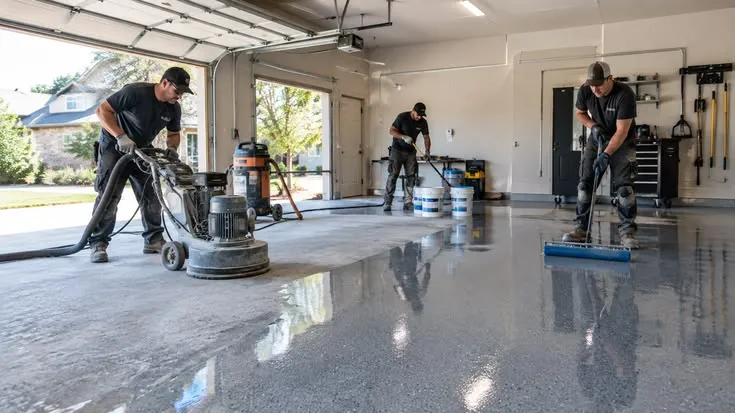
A garage often becomes the most overlooked part of a home. It holds vehicles, tools, bicycles, and boxes, yet its flooring receives little attention until cracks, stains or concrete dust become noticeable. Upgrading garage floors can make these spaces easier to clean, more attractive, and better suited to everyday activities. However, choosing a suitable finish involves more than selecting a color. Homeowners need to understand their concrete’s condition, how they use the garage, and what different flooring systems can realistically provide.
Start With the Condition of the Concrete
Before considering decorative finishes, examine the existing concrete slab. Small surface imperfections may be manageable, but widespread cracking, moisture problems, and uneven areas require closer attention. Applying a coating over damaged concrete without addressing the underlying cause can lead to disappointing results.
An experienced installer will typically inspect the surface, identify previous coatings or contaminants, and determine whether repairs are necessary. Oil stains, loose material, and excessive moisture can interfere with coating adhesion. Proper preparation creates a stronger foundation for the finished floor.
Think About How the Garage Is Used
Not every garage serves the same purpose. Some homeowners use the space exclusively for parking, while others maintain workshops, exercise areas, or additional household storage. These activities influence which flooring features are most important.
For example, a garage used for vehicle maintenance may benefit from a surface that handles occasional oil spills and cleaning products. A home gym may need additional mats for cushioning and equipment protection. Understanding these requirements helps homeowners avoid choosing a finish based only on its appearance.
Explore Different Coating Options
One popular approach involves applying an epoxy floor coating over properly prepared concrete. Epoxy creates a continuous protective surface that can resist many common garage stains and routine wear. Decorative flakes may also be incorporated to introduce color variation and texture.
Other options include polyurea and polyaspartic coating systems, which can offer different curing times and performance characteristics. The best choice depends on the condition of the concrete, expected traffic, installation schedule, and the specific products being considered. No single coating works equally well in every situation.
Understand Why Preparation Matters
A successful garage flooring project involves considerable work before the final material is applied. Mechanical grinding is commonly used to remove contamination and create an appropriate surface profile. Cracks and damaged areas may also require treatment before installation proceeds.
Skipping these steps can affect how well a coating bonds to the concrete. Moisture testing may be particularly important because vapor moving through a slab can contribute to blistering or peeling. A professional assessment helps determine whether the proposed flooring system is suitable.
Choose a Finish That Fits Your Space
Color and texture can change how a garage feels. Neutral gray finishes offer a clean, understated appearance, while decorative flakes can introduce visual interest and make minor dirt less noticeable. Metallic finishes create a more dramatic effect, although they may not suit every garage.
Consider lighting and traction alongside appearance. Smooth, glossy surfaces may become slippery when wet, so an appropriate textured finish can be useful where water is frequently tracked indoors. Samples viewed under actual garage lighting can make the final decision easier.
Plan for Installation and Ongoing Care
Garage upgrades may temporarily affect access to parked vehicles, appliances, and stored belongings. The installation schedule depends on preparation requirements, the coating system, temperature, and curing conditions. Homeowners should ask when the floor can safely accommodate walking and vehicle traffic.
Routine maintenance usually involves removing grit, wiping spills promptly, and washing the surface with suitable cleaning products. Abrasive tools and incompatible chemicals can damage certain finishes. Following the manufacturer’s care recommendations will help preserve the floor’s appearance and performance.
Consider the Value Beyond Appearance
A professionally finished garage can feel more organized and comfortable to use. Reduced concrete dust and easier cleaning may be especially welcome in spaces connected directly to the home. A consistent floor finish can also complement shelving, cabinets, and improved lighting.
However, durability depends on installation quality and appropriate use. Heavy impacts, structural movement, and persistent moisture can still cause problems. Realistic expectations are essential when comparing different flooring solutions and deciding how much to invest.
Conclusion
A garage flooring upgrade should begin with practical questions rather than a particular finish. Evaluating the slab, understanding daily activities, comparing coating systems, and planning for maintenance all contribute to better decisions. Homeowners who focus on preparation and long-term suitability are more likely to achieve a result that remains useful beyond the initial renovation. For those exploring professional garage surface treatments in Atlanta, atlantaflooring.io offers information about available systems and installation considerations. Choosing carefully can transform an ordinary garage into a cleaner, more functional part of the property without overlooking the demands of everyday use.