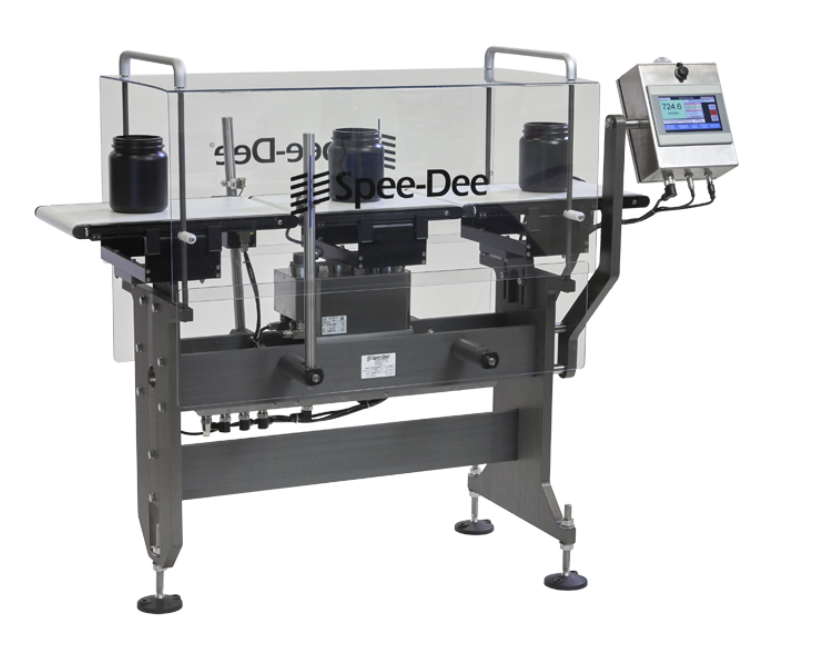
In the packaging industry, precision and efficiency are key to meeting growing consumer demands. Powder fillers and rotary fillers have become essential equipment for packaging dry products in various industries. These machines ensure that products like powders, granules, and other granular materials are filled accurately and efficiently into containers. This article explores the significance of both powder fillers and rotary fillers in streamlining production lines and ensuring product consistency.
What is a Powder Filler?
A powder filler is a specialized machine designed for filling powdered substances into packaging containers. These fillers are used across a wide range of industries, such as food, pharmaceuticals, and chemicals. They are ideal for products like spices, flour, or detergent powder, where maintaining consistency and accuracy is essential. A powder filler typically works by measuring the powder by weight or volume and then dispensing it into packaging containers. This type of filler ensures that each container receives the precise amount of product, preventing overfilling or underfilling.
Rotary Fillers: Enhancing Speed and Precision
Rotary fillers are known for their ability to quickly and efficiently fill containers, making them ideal for high-speed production lines. These fillers utilize a rotating mechanism that allows them to handle a wide variety of products, including powders, liquids, and granular substances. The design of rotary fillers ensures consistent filling, offering accuracy and speed without sacrificing product quality. This type of filler is particularly useful in industries where high-volume production is crucial, such as in beverage, food, or chemical packaging.
The Working Principle of Powder Fillers
The working principle of a powder filler revolves around accurately measuring and dispensing powder into containers. The machine can use different techniques, such as auger-based filling or gravity filling, depending on the type of powder and its properties. In the case of auger-based powder fillers, a rotating screw drives the powder into the container, ensuring a consistent and even fill. For products that are more fluid or less dense, gravity filling is often used to allow the powder to flow into the container under its own weight, further ensuring precision.
Speed and Flexibility of Rotary Fillers
One of the standout features of rotary fillers is their speed and flexibility. These filters are designed to accommodate high-volume production, filling multiple containers at once. The rotating mechanism allows for a seamless transition from one container to the next, maintaining a continuous flow in the production process. Additionally, rotary fillers can be adjusted to handle different container sizes and product types. Whether it’s a liquid, powder, or granular material, the versatility of rotary fillers ensures they can be adapted to meet the specific needs of the production line.
Benefits of Combining Powder Fillers and Rotary Fillers
By combining powder fillers with rotary fillers, manufacturers can create a streamlined and efficient packaging process. The two systems complement each other perfectly, offering both speed and precision in high-demand environments. While powder fillers focus on ensuring that the correct amount of powder is dispensed, rotary fillers ensure that the containers are filled quickly and consistently. This combination results in a more efficient packaging line, minimizing downtime and reducing the risk of human error in the filling process.
Innovations in Powder and Rotary Fillers
The future of powder fillers and rotary fillers is poised for further advancements, particularly in automation and integration with smart technologies. With the rise of artificial intelligence and machine learning, future filling machines are expected to offer even more precise measurements and better adaptability to changing production needs. Additionally, developments in materials and machine design will likely lead to even more sustainable filling solutions, with reduced waste and lower energy consumption, aligning with the growing focus on environmental responsibility.
Conclusion
The use of powder fillers and rotary fillers has revolutionized packaging, ensuring speed, accuracy, and efficiency. These machines play a crucial role in industries that require high-volume packaging, offering precision and consistency in product distribution. As the industry evolves, further innovations in filling technology will continue to improve productivity and sustainability. For more information on cutting-edge packaging solutions, visit the domain where technology meets efficiency in packaging.