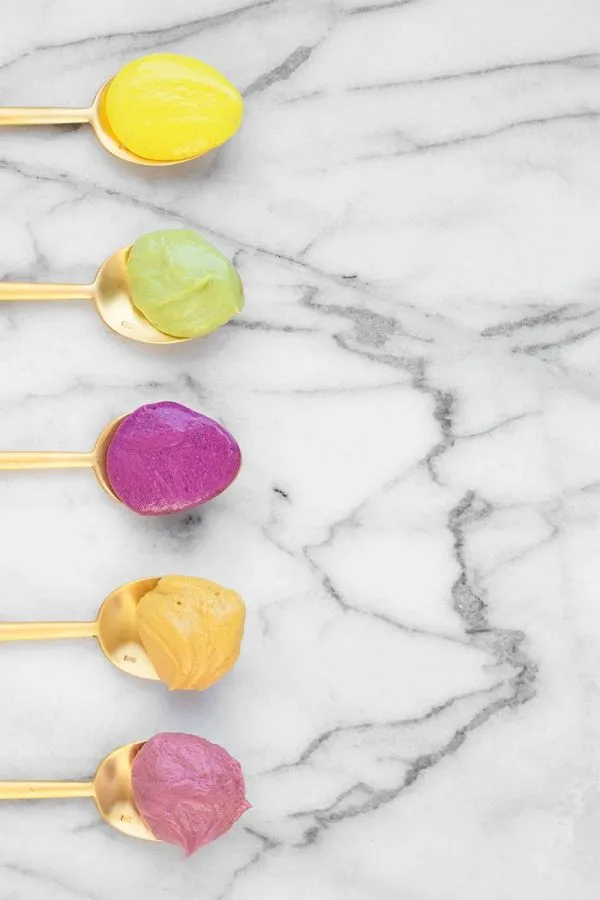
It is tempting to think color selection begins with a shade card. Pick the red, orange, yellow, or blue you want, add it to the formula, and move on. In real food production, it rarely works that neatly. Companies using all natural food coloring have to think about the product first: what is in it, how it is processed, how it is stored, and what the customer is expected to see later.
That is why color decisions often involve more technical work than people outside product development realize. The same source can behave one way in a beverage and another way in a bakery mix. A color can look strong during bench work, then shift after heat treatment, exposure to light, or a change in acidity.
Start With the Formula
Before choosing a natural color, developers need to understand the environment it will enter. A low-pH drink may place very different demands on a pigment than a fat-rich snack coating. Heat matters too. So do oxygen, packaging, storage time, and even the order in which ingredients are blended.
This does not mean natural colors are difficult to use. It means they need to be matched properly. FoodRGB offers natural color systems in liquid, powder, water-soluble, and oil-based forms. That flexibility matters because a color that disperses well in one product may not be practical in another.
Form Matters More Than It Seems
A powder can be convenient for dry mixes, seasonings or applications where easy handling matters. Liquid colors often work well when they need to blend straight into a wet mixture. For products with a higher fat range, an oil-based color may be the more practical choice.
The choice is not just about convenience. It can affect how evenly the color spreads, how strong it appears, and how predictable the finished batch becomes.
Developers also need to think about scale. A color that blends easily in a small sample can behave differently in a commercial mixer. That is one reason pilot testing is worth doing before a formula is locked.
A Practical Example: Annatto
Annatto is a useful example because it can produce warm yellow-to-orange tones and can be prepared in different forms. FoodRGB supplies annatto-based solutions built around pigments such as bixin and norbixin. Depending on the application, formulators can work with oil-soluble or water-soluble options.
This makes annatto color useful across several food categories, including dairy, cheese, baked goods, snacks, seasonings, confectionery and selected beverage applications. The important part is choosing the format that fits the recipe instead of assuming one annatto product will work everywhere.
A fat-containing product may call for a different approach than a water-based one. That detail can decide whether a trial goes smoothly or turns into repeated reformulation.
Testing in Real Conditions
Color evaluation should go beyond checking a fresh sample under good lighting. A better test looks at the product after the actual processing step and again after realistic storage.
For a baked product, that might mean comparing the shade before and after heating. For a beverage, it could mean checking appearance over time under the same packaging and light conditions the commercial product will face. If the product is frozen, refrigerated, or shelf-stable, those conditions should be part of the trial.
It also helps to test more than one concentration. Sometimes a slightly lower level gives a cleaner appearance. In other cases, a small adjustment in the formula makes a bigger difference than simply adding more color.
From Bench Sample to Production Line
The point of testing is not to create a perfect lab sample. It is to find a color system that keeps working once the product leaves the lab.
That includes raw-material variation, larger batch sizes, different mixing times, and normal production tolerances. Technical support can be useful when a company is replacing a synthetic dye, adjusting a label claim, or trying to keep a familiar appearance while changing the underlying color system.
Conclusion
Natural color selection works best when the finished product leads the decision. Shade is only one part of the job. Solubility, processing, heat, acidity, storage, and production scale all matter.
For manufacturers comparing options, foodrgb.com provides natural color solutions and formulation support across a wide range of food and beverage applications. The most reliable result comes from choosing a color that fits the recipe and then proving it under real processing and storage conditions.